About the sanctuary
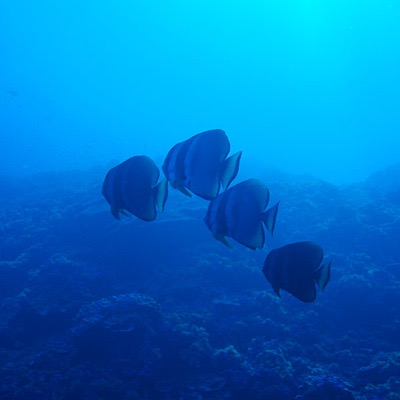
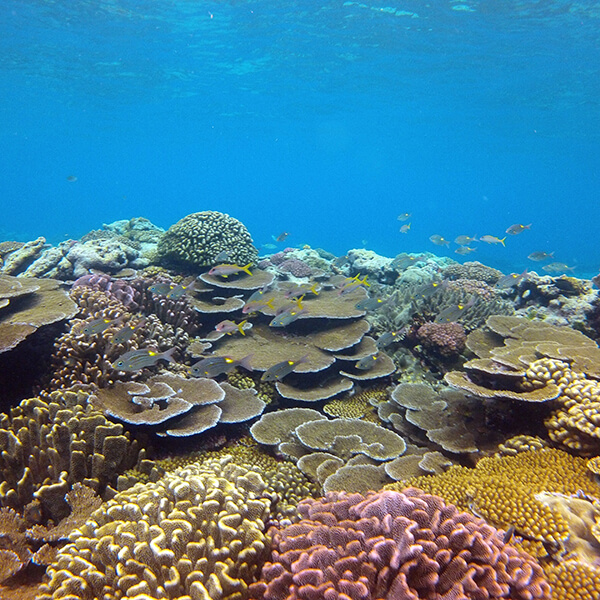
National Marine Sanctuary of American Samoa is one of the federally designated underwater areas protected by NOAA's Office of National Marine Sanctuaries. Located in the heart of the South Pacific, the sanctuary is among the most remote sites in the National Marine Sanctuary System and is thought to support some of the greatest diversity of marine life.
The sanctuary comprises six protected areas, covering 13,581 square miles of nearshore coral reef and offshore open ocean waters across the Samoan Archipelago.
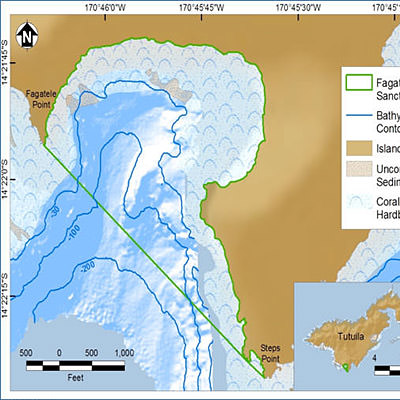
Today, National Marine Sanctuary of American Samoa spans 13,581 square miles of protected waters across the Samoan Archipelago. Originally, though, it was the smallest sanctuary in the system: in 1986, NOAA established the sanctuary to protect and preserve just 0.25 square miles of coral reef ecosystem within Fagatele Bay. In 2012, NOAA expanded the sanctuary to include Fagalua and Fogamaʻa (the next bay east of Fagatele) on Tutuila Island, as well as areas at Aunuʻu, Taʻu, and Swains islands, and a marine protected area at Rose Atoll (named Muliāva by Manuʻa residents), including nearby Vailuluʻu Seamount.